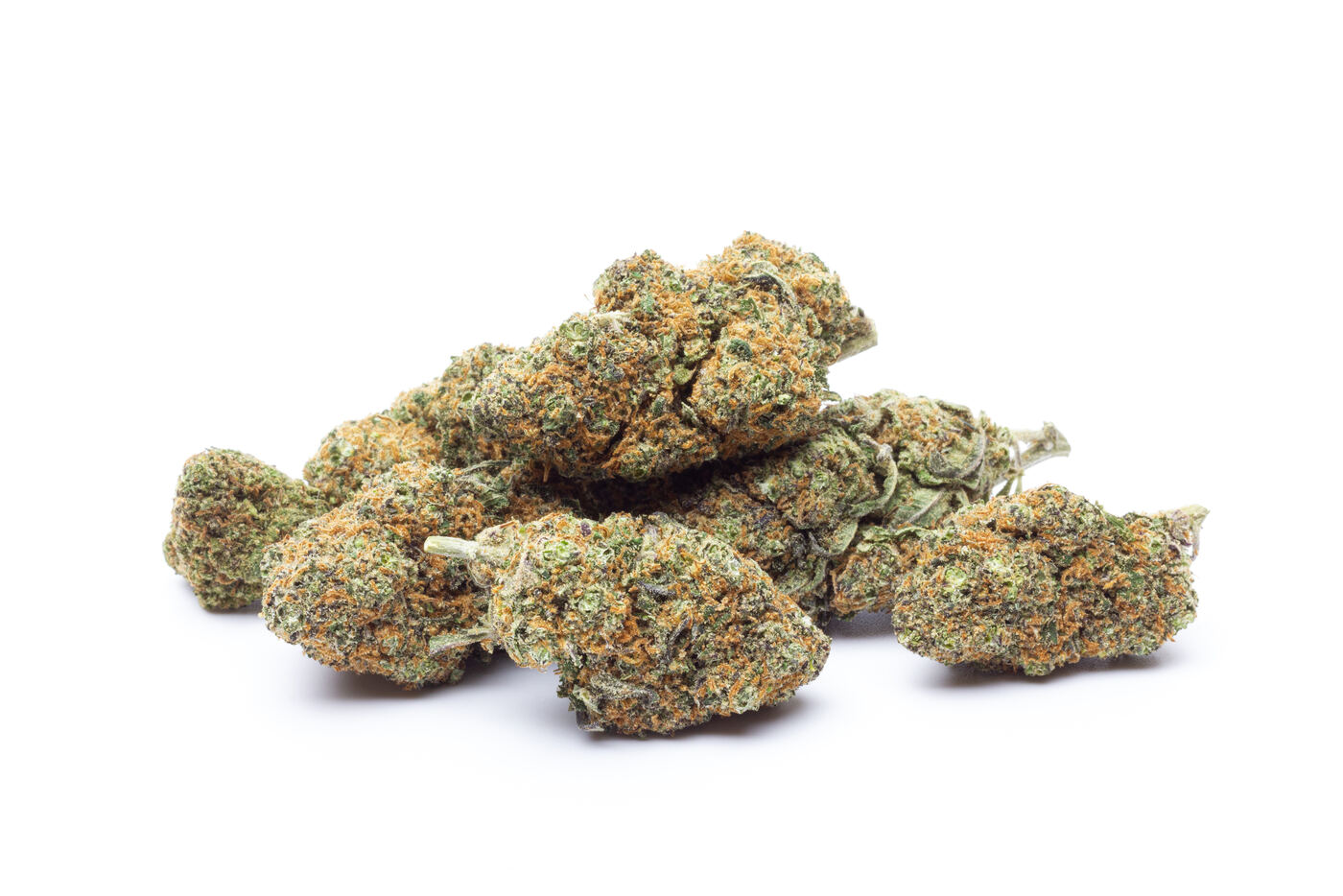
Indica
The relaxer
Associated with mellow, body-forward effects — think couch, blanket, movie night. A common pick for unwinding in the evening.

You must be at least 21 years old to enter this site.
By entering, you confirm you are of legal age to view cannabis content in your location.
Indica, sativa, hybrid, terpenes, THC percentages — here's what actually matters when you're choosing a strain, and what's mostly marketing.
A strain is a distinct variety of the cannabis plant, bred for a particular mix of cannabinoids (like THC and CBD), aromas, and effects. Same plant species, wildly different personalities — like apples ranging from Honeycrisp to Granny Smith.
Strain names ("Sunset OG," "Lakeside Haze") describe a lineage, but effects also depend on how the flower was grown, cured, and how you respond. Treat names as a starting point, not a guarantee.
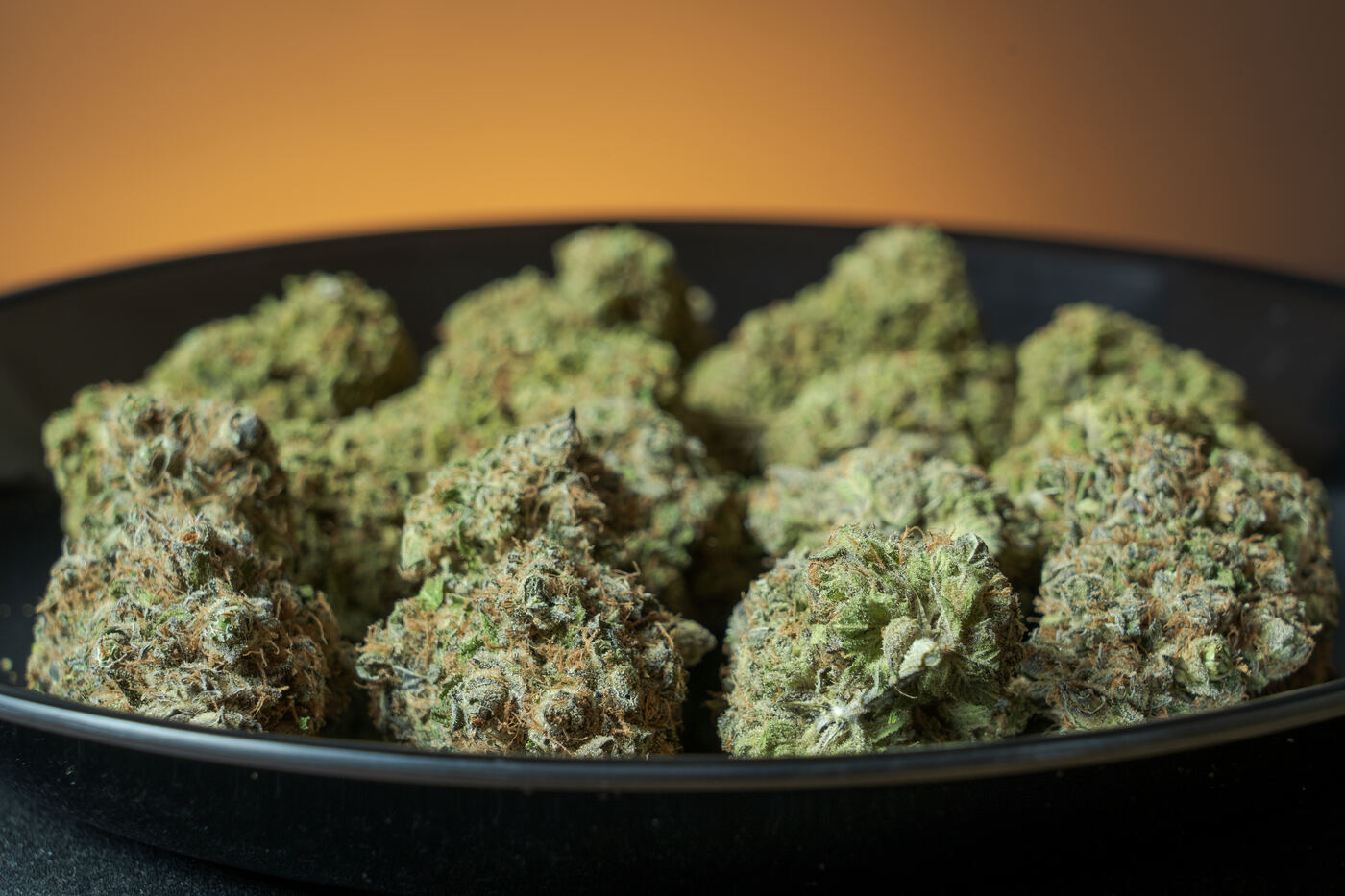 Know your bud
Associated with mellow, body-forward effects — think couch, blanket, movie night. A common pick for unwinding in the evening.
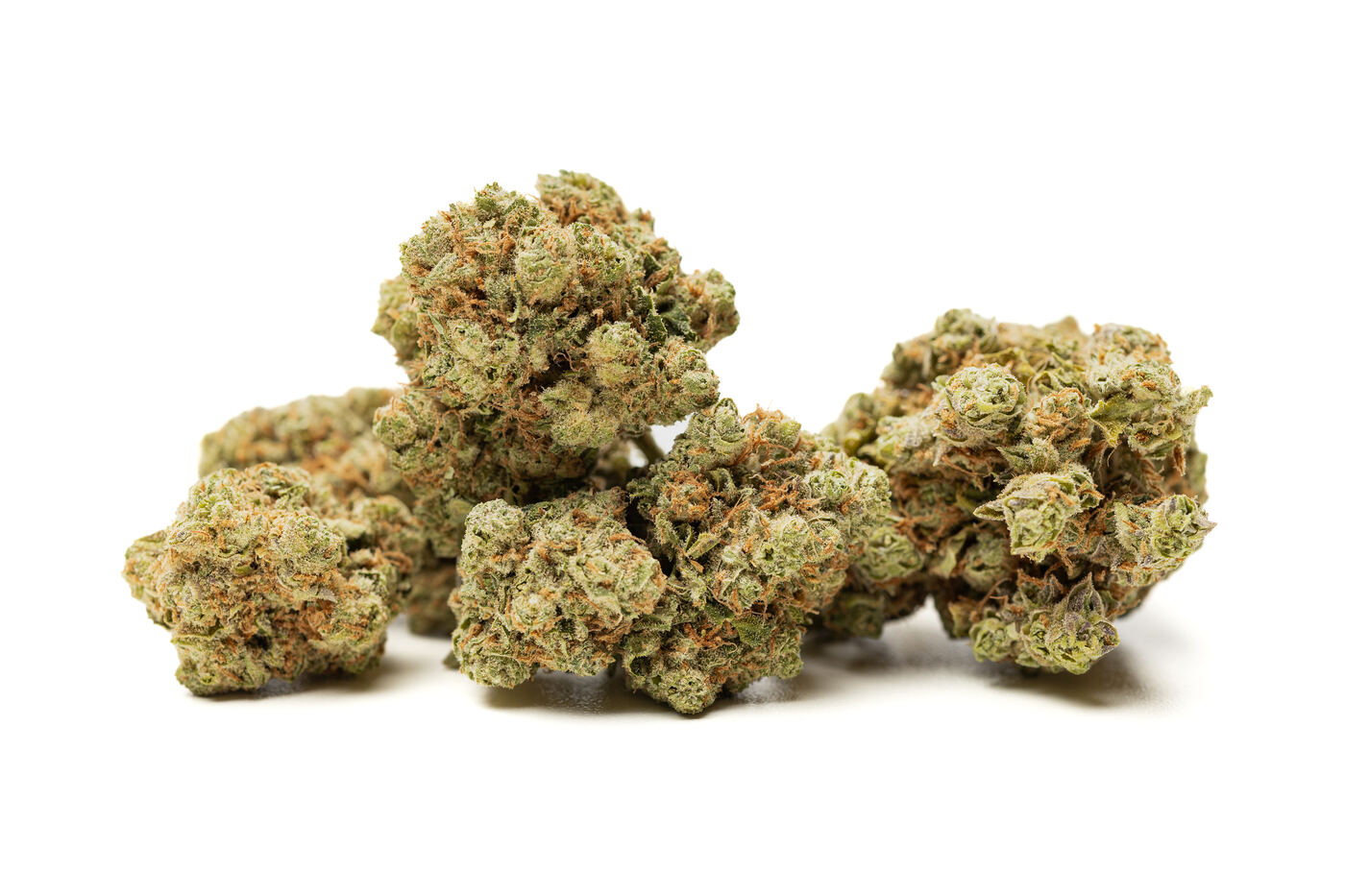
Associated with upbeat, head-forward effects — social gatherings, creative projects, a hike around the lake.
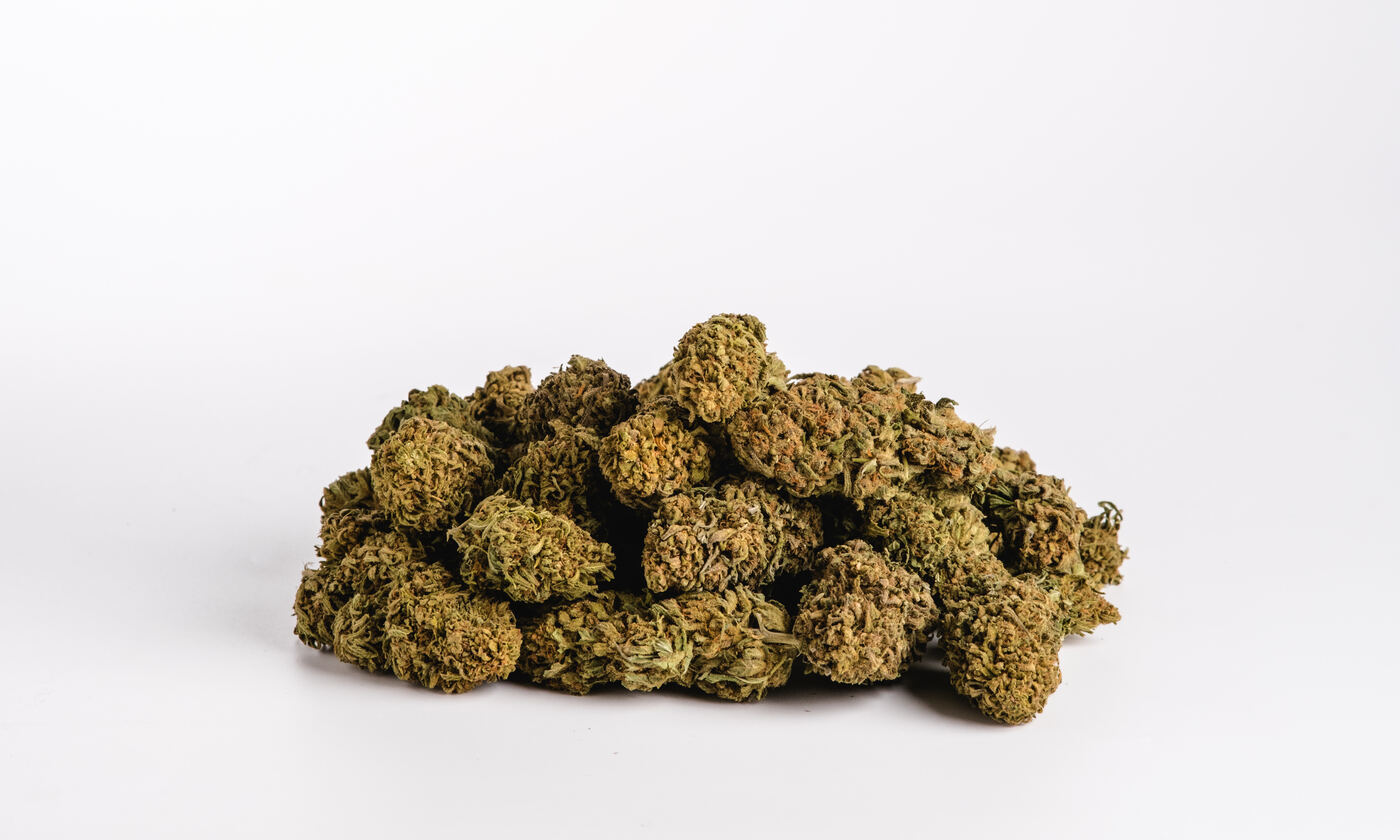
Crosses of indica and sativa lineages, leaning one way or the other. Most modern strains are hybrids — balanced and versatile.
Honest note: modern research suggests the indica/sativa split is a rough guide at best — terpenes and cannabinoid content matter more. But it's still the most useful shorthand for telling a budtender the direction you want to go.
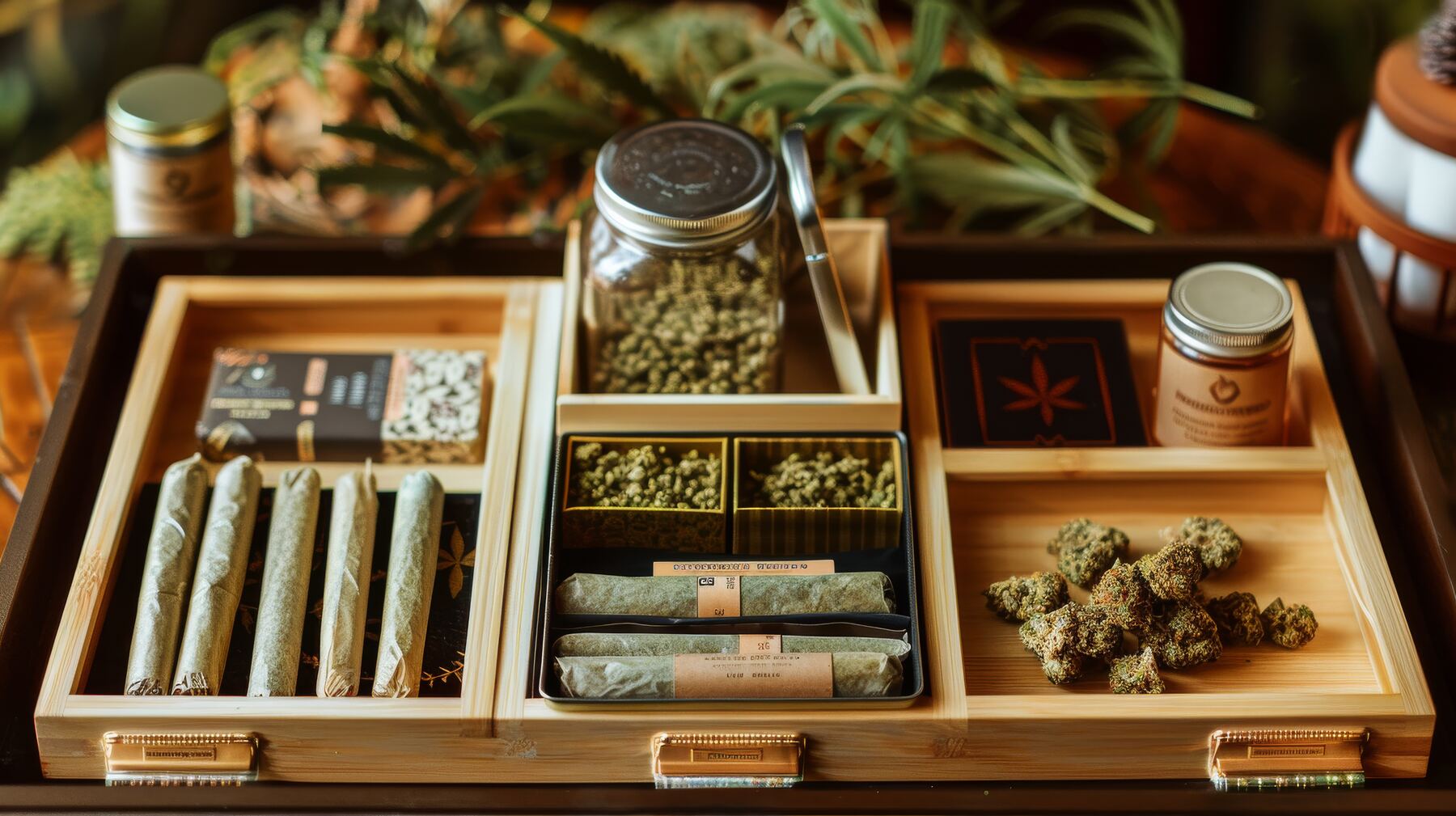 Smell matters
Terpenes are the aromatic compounds that give each strain its scent — citrusy limonene, piney pinene, earthy myrcene, floral linalool. They're a big part of why two strains with identical THC percentages can feel completely different.
Pro tip from our budtenders: a high THC number isn't the same as a good experience. A 20% strain with a terpene profile you love will usually beat a harsh 28% strain. If you're new to all this, our beginner's guide covers how to dose whatever strain you choose.